
 Europe - English (EUR)
  The Netherlands - Nederlands (EUR)
  Belgie - Vlaams (EUR)
  Denmark - Dansk (DKK)
  Germany - Deutsch (EUR)
  England - English (GBP)
  France - Français (EUR)
  Italy - Italiano (EUR)
  Spanje - Español (EUR)
  Poland - Polski (PLN)
  Austria - Deutsch (EUR)
  Zweden - Svenska (SEK)
  Swiss - Deutsch (CHF)
  Canada - English (CAD)
  United States - English (USD)
  Middle East North Africa - Arabic (USD)
  International - English (USD)


Poled camping tents
Forbidden
You don't have permission to access this resource.

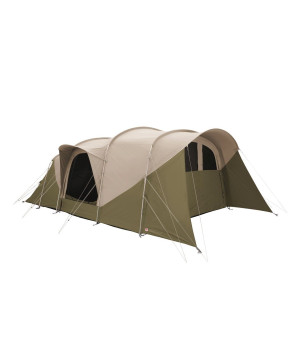

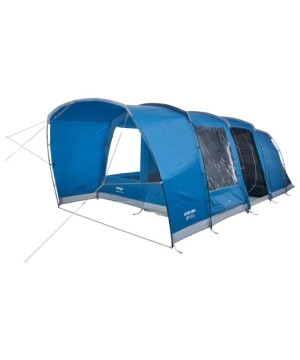

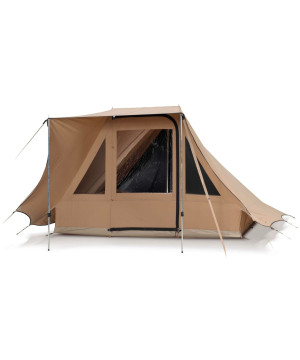


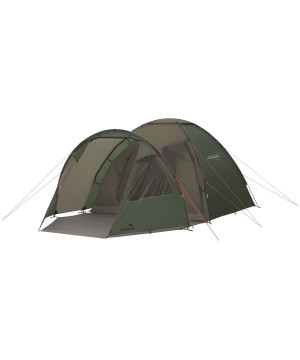


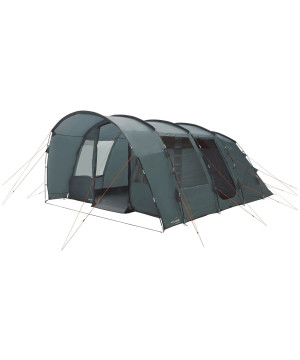


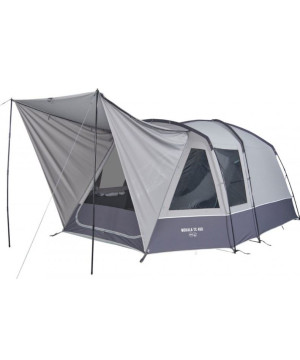

Poled camping tents use classic pole frameworks to create a stable, dependable shelter. The structure is tried and tested, easy to understand, and straightforward to maintain. Compared with inflatable tents, poled models often pack smaller, offer precise tensioning, and are simple to repair.
Pole materials vary. Fibreglass keeps costs and weight down for weekend trips and fair weather. Aluminium balances strength and weight for touring. Steel poles maximise rigidity and headroom in larger family tents. Replacement sections and sleeves make long-term upkeep practical.
Fabrics and weather protection matter. Polyester flysheets with a solid hydrostatic head handle wind and rain well and dry quickly. Polycotton blends breathe better in warm conditions and feel quieter in wind, with a more natural climate inside. Look for taped seams, storm flaps and robust guying points.
Layouts range from compact touring tents to spacious family tents with standing height. Many offer multiple bedrooms, darkened inners for better sleep, and generous living areas for tables and storage. Porches or vestibules add sheltered cooking and gear space. Groundsheets can be sewn in for full protection or toggle-in for easy cleaning.
Pitching systems are designed to be clear and methodical. Color-coded poles, continuous sleeves and ring-and-pin systems speed setup. Outer-first or all-in-one pitching helps in wet weather, keeping the inner dry. Good ventilation via mesh panels, high and low vents, and dividing doors reduces condensation.
Weight and pack size are predictable with poled camping tents. They store neatly in car boots and are convenient for site-to-site touring. Wind stability is excellent when lines are tensioned correctly; long pegs and reinforced stake points are a plus on exposed pitches.
Selection tips are straightforward. Choose a capacity that allows some extra space for gear. Consider the height you want for dressing and the living area you need on rainy days. Match pole material and fabric to expected conditions and trip length. Add a footprint to protect the groundsheet and extend lifespan.
Maintenance is simple. Dry the tent fully before storage, clean zips and poles, and carry a small repair kit for sleeves, tips and guylines. Occasional reproofing keeps water beading on the flysheet. With these basics, a poled camping tent will give reliable service season after season.
OutdoorXL offers an extensive choice of poled camping tents across sizes and materials, along with compatible footprints, carpets, pegs and spares. Explore the range to compare headroom, bedroom layouts and weather ratings, and pick a straightforward, durable setup for the next camp.


