
 Europe - English (EUR)
  The Netherlands - Nederlands (EUR)
  Belgie - Vlaams (EUR)
  Denmark - Dansk (DKK)
  Germany - Deutsch (EUR)
  England - English (GBP)
  France - Français (EUR)
  Italy - Italiano (EUR)
  Spanje - Español (EUR)
  Poland - Polski (PLN)
  Austria - Deutsch (EUR)
  Zweden - Svenska (SEK)
  Swiss - Deutsch (CHF)
  Canada - English (CAD)
  United States - English (USD)
  Middle East North Africa - Arabic (USD)
  International - English (USD)


Snowboard helmets men
Forbidden
You don't have permission to access this resource.


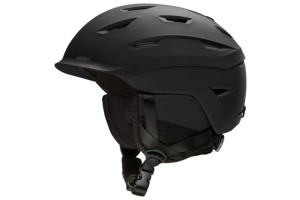
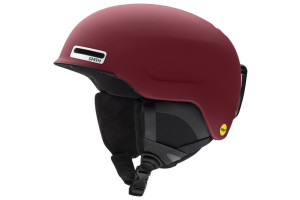
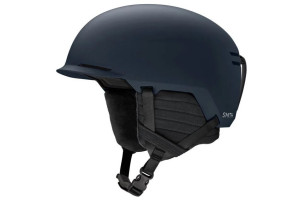


This Snowboard helmets men selection covers practical, well-tested designs for resort, park and sidecountry use. The focus is on protection, fit and climate control, so you can match your helmet to conditions without fuss. You will find current models as well as seasonal sale options.
Protection and standards: quality helmets typically use an EPS foam liner to manage impacts and meet EN 1077 alpine helmet certification. Many models add rotational impact systems such as MIPS to reduce rotational forces during angled falls. A snug, stable fit is just as important as the tech inside.
Construction types: in-mold helmets are light and low profile, ideal for all-day riding and touring. Hard-shell (ABS) helmets emphasize durability and tend to handle everyday knocks well, which park riders often appreciate. Hybrid constructions blend both, balancing weight and toughness.
Fit and comfort: look for an adjustable dial or BOA-style system to fine-tune the circumference, plus vertical tuning when available to prevent pressure on goggles. Removable, washable liners keep things fresh. Ear pads add warmth and can be audio-compatible; many include pockets for speakers.
Ventilation: fixed vents keep air moving with no moving parts, while adjustable vents let you open up on warm spring days and close down in mid-winter. Proper airflow helps manage goggle fog by directing warm air out through the top of the frame. A subtle brim or shell shape can also reduce goggle gap.
Goggle compatibility: most men’s snowboard helmets are designed to work with popular goggle shapes. Check that the helmet sits low and even on the forehead, the strap sits flat around the shell, and there’s no uncomfortable pressure at the nose when wearing goggles.
Useful features: magnetic buckles (such as Fidlock) make strapping in with gloves straightforward. Goggle clips secure the strap. Some models include RECCO reflectors for searchable signal assistance. Liner and earpad setups vary from plush and warm to minimal and breathable for spring conditions.
Sizing tips: measure head circumference just above the eyebrows and compare with the size chart for each helmet. A correct fit feels snug without hot spots. With the dial open, the helmet should sit level and not rock excessively; when tightened, it should not cause pain. The chin strap should be snug under the jaw without pinching.
Care and lifespan: allow the helmet to dry at room temperature after riding and avoid solvents when cleaning. Replace a helmet after any significant impact, even if no damage is visible. As materials age, many riders renew helmets every 3–5 seasons depending on use and storage.
Choosing quickly: pick in-mold for low weight and everyday all-mountain comfort; choose hard-shell for park and frequent travel where scuffs are common; go hybrid if you want a balance. Add MIPS if you want extra rotational protection. Prioritize adjustable ventilation if you ride in varied climates.


