
 Europe - English (EUR)
  The Netherlands - Nederlands (EUR)
  Belgie - Vlaams (EUR)
  Denmark - Dansk (DKK)
  Germany - Deutsch (EUR)
  England - English (GBP)
  France - Français (EUR)
  Italy - Italiano (EUR)
  Spanje - Español (EUR)
  Poland - Polski (PLN)
  Austria - Deutsch (EUR)
  Zweden - Svenska (SEK)
  Swiss - Deutsch (CHF)
  Canada - English (CAD)
  United States - English (USD)
  Middle East North Africa - Arabic (USD)
  International - English (USD)


Pocket knives
Forbidden
You don't have permission to access this resource.


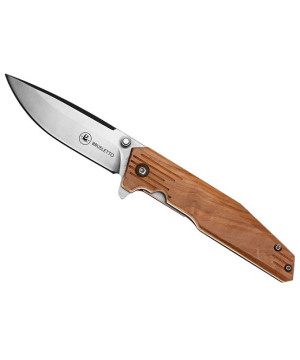


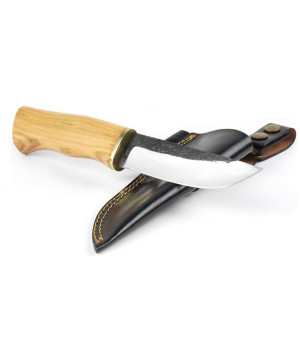


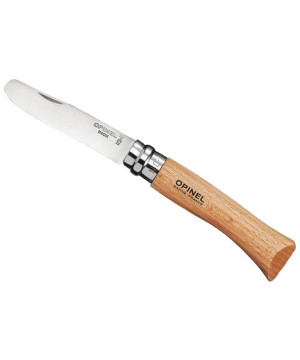


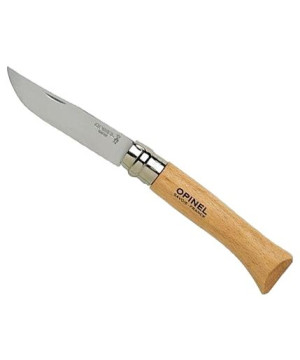

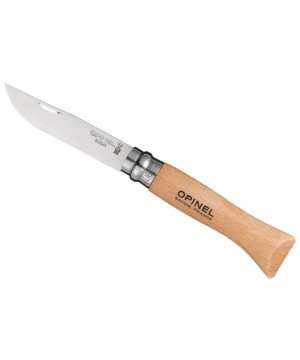

Pocket knives form a practical tool category built for everyday utility and outdoor reliability. OutdoorXL offers a large assortment with options that cover compact Swiss army knives and more robust survival blades, so the right balance of size, strength, and features is easy to find.
Swiss army knives focus on compact convenience with useful tools such as blades, openers, scissors, and screwdrivers integrated into a single pocket format. Survival blades emphasize a strong primary blade, simple operation, and dependable handling for camp tasks and field repairs.
Materials matter. Stainless steels resist corrosion and suit humid or coastal use, while tougher tool steels can hold an edge longer with regular care. Common blade shapes like drop point and clip point balance control and piercing. Plain edges slice cleanly; partial serrations bite into rope.
Locking and opening systems influence safety and speed. Slipjoints keep profiles slim for light tasks. Back, liner, or frame locks add security under load. Nail nicks and thumb studs are common; one‑hand openers help when a second hand is busy. A positive lock and solid pivot reduce play.
Grip and carry affect day‑to‑day comfort. Scales in G10, micarta, rubber, or wood provide different textures and warmth. Consider handle size with gloves. Pocket clips allow deep carry; lanyard holes aid retrieval. Many survival blades ride in a sheath for stable, secure belt carry.
Size and weight guide how a knife fits into a kit. Shorter blades ride unnoticed and handle small tasks precisely; longer blades add leverage for tougher materials. Local regulations vary by region, so checking allowed blade lengths and opening mechanisms before purchase is sensible.
Care is straightforward. Wipe blades dry after use, add a light oil to pivots, and sharpen with a consistent angle using a stone or guided system. Stainless models need less attention but still benefit from cleaning. A simple pouch or sheath protects edges and pockets during transport.
Selection can be simple: choose Swiss army knives for versatile everyday fixes in a compact package; choose survival blades when durability and a stronger primary blade take priority. Within each, compare steel, lock, grip, and carry to match the knife to intended tasks.


