
 Europe - English (EUR)
  The Netherlands - Nederlands (EUR)
  Belgie - Vlaams (EUR)
  Denmark - Dansk (DKK)
  Germany - Deutsch (EUR)
  England - English (GBP)
  France - Français (EUR)
  Italy - Italiano (EUR)
  Spanje - Español (EUR)
  Poland - Polski (PLN)
  Austria - Deutsch (EUR)
  Zweden - Svenska (SEK)
  Swiss - Deutsch (CHF)
  Canada - English (CAD)
  United States - English (USD)
  Middle East North Africa - Arabic (USD)
  International - English (USD)


Drive-away camper awnings
Forbidden
You don't have permission to access this resource.

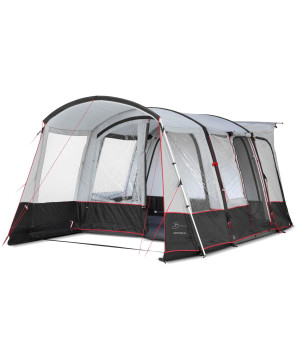


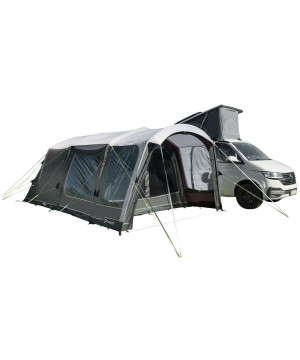


Drive-away camper awnings are freestanding shelters that stay pitched when the vehicle is driven away, adding covered living, dining, and storage space on the pitch. Designs suit campervans and motorhomes across common vehicle height ranges, and many offer optional inner tents for extra sleeping capacity.
Fit is the priority. Connection height should match the distance from ground to awning rail or roof edge. Low, mid, and high variants cover most vehicles; checking the cowl height range and the length of straight rail helps ensure a neat seal and door clearance.
Attachment methods vary. Kador beading (often 6 mm or 4 mm) slides into a rail; a drive-away kit with figure-8 and double kador allows quick disconnect. Alternatives include roof bars with clamps, a gutter pole, or throw-over straps when no rail is present. A correctly tensioned cowl reduces draughts and improves weather protection.
Structure choices include air and poled frames. Air awnings inflate with a pump for straightforward pitching and stable tension; multi-beam or single-point systems are common. Poled awnings use fiberglass or alloy poles for a precise shape and can offer low packed weight and simple maintenance.
Layout influences day-to-day use. Compact porch styles maximise a small footprint, while larger tunnel designs create full living rooms with headroom. Multiple doors, mesh panels, and covered canopies improve access and ventilation. Clear windows with curtains provide privacy without losing light.
Groundsheet options include linked-in, clip-in, or sewn-in bases. Campsite rules may favour breathable or removable groundsheets. Fabrics range from durable polyester that dries quickly to polycotton that regulates temperature and reduces condensation. Look for robust hydrostatic head ratings, taped seams, and UV resistance.
Useful accessories round out the setup: footprints and carpets protect and insulate floors; storm straps and quality pegs add security; pumps, repair kits, and spare valves support air frames; drive-away kits, organizers, lighting, and annex or inner tent upgrades add comfort and flexibility.
Practical considerations matter on the road. Pack size and weight should suit available storage. Drying the awning before packing prevents mildew; gentle cleaning and occasional seam care extend service life. On breezy pitches, pegging key points first and adding guylines early improves stability.
With a large assortment at OutdoorXL, drive-away camper awnings can be compared by size, connection height, structure, and fabric so finding a reliable match for the vehicle and travel plans is straightforward.


